Travel Guides
Diving in Morocco
13 min read
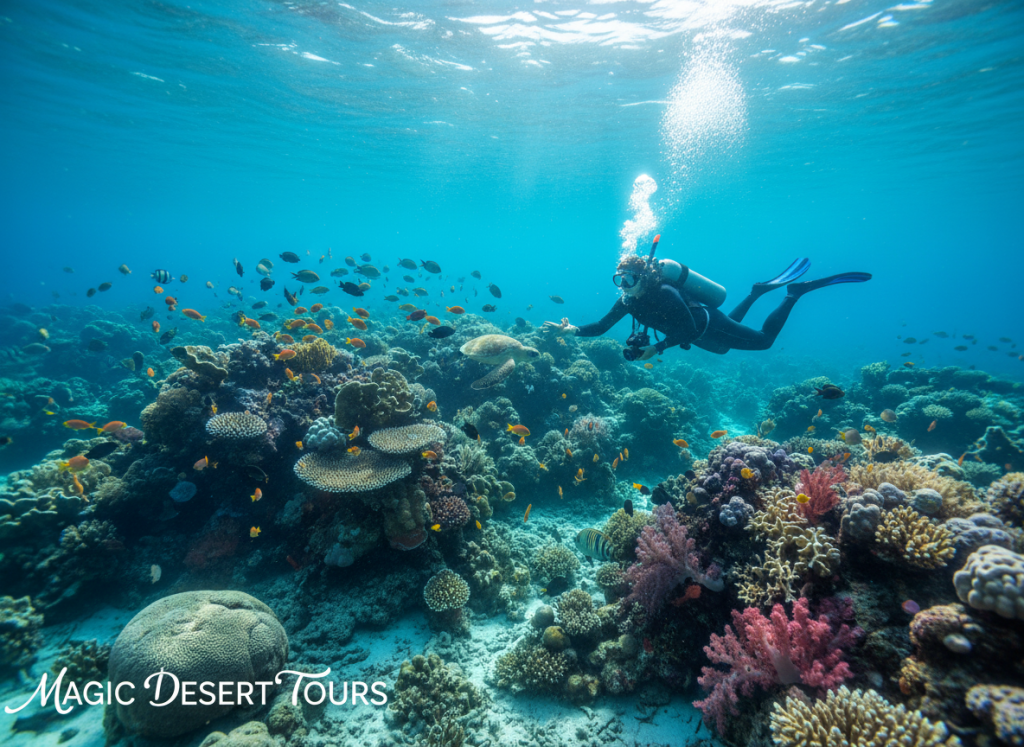
Have you ever wondered where you can pair vibrant coastal culture with surprisingly calm subtidal reefs that welcome first-timers and pros alike?
This guide previews what Diving in Morocco looks like today: clear Mediterranean sites up north and wilder Atlantic walls to the south. You’ll find options for a try dive, guided fun dives, and full training paths through recognized agencies like PADI, SSI, and CMAS.
Chems Diving at Belyounech highlights friendly waters and easy access to courses and local experiences. The article helps you choose where to go, when to travel from the United States, and what marine life and coastal scenery await.
Expect clear definitions of terms such as Discover Scuba, fun dive, and Open Water so you feel confident planning your trip. This is the ultimate guide to matching your comfort level with the right sites and training.
Key Takeaways
- North offers Mediterranean clarity; south delivers Atlantic adventure.
- Options range from baptism dives to multi-day certification courses.
- International agencies (PADI/SSI/CMAS) make future travel easier.
- Combine coastal trips with culture, food, and road routes.
- This guide helps you pick sites, seasons, and safety basics from the U.S.
Why Morocco Belongs on Your Scuba Bucket List
Few places let you sample two very different coastal seas within a single trip. That split personality creates a unique small-world of marine variety you can chase on one itinerary.
Two coastlines, two vibes:
Mediterranean clarity vs. Atlantic character
The northern shore near Belyounech and Jebel Moussa often delivers outstanding visibility and calm surface days. Southward hubs like Agadir and Essaouira show cooler temps, bigger swell, and a different set of habitats.
What makes the underwater world feel different
Tangier and Cap Spartel sit where currents meet and can change a dive from placid to lively fast. That meeting point shapes currents, drift options, and where you choose a site for safety or photo work.
- Plan one trip to get Mediterranean clarity and Atlantic character on different days.
- Expect varied surface conditions: wind and swell affect comfort and visibility.
- Enjoy fewer crowds: many sites feel rugged and exploratory rather than resort-crowded.
Whether you seek training, calm introductory dives, photography, or adding a new country to your log, this region offers a memorable scuba diving experience for adventurous divers.
Best Dive Sites Across Morocco’s Mediterranean and Atlantic Coasts
Group nearby sites to build an itinerary that maximizes clear waters and marine life encounters. Below are prime locations from the north to the Atlantic shore so you can pick a base and add nearby spots without zig-zagging the map.
Belyounech & Jebel Moussa
Often 30+ meters visibility makes this a standout Mediterranean location. Clear views aid navigation, photography, and comfort for new divers.
Tangier & Cap Spartel
Deep, clear water near the meeting point of seas gives varied current options and dramatic drop-offs for varied dives.
Al Hoceima Marine National Park
This protected reserve features reefs and caves. It’s ideal if you value biodiversity and conservation-minded sites.
- Agadir: boat trips to offshore reefs with octopus, squid, and crabs.
- Essaouira: cooler-water, rocky reefs and a unique Atlantic feel.
- Yellow Cliff: sea walls used for training and usually dependable visibility.
- Larache: quieter shore-access dives off a wide beach and a pristine vibe.
| Location | Visibility (meters) | Top Marine Life | Access |
|---|---|---|---|
| Belyounech / Jebel Moussa | 30+ | Reef fish, clear-water photo ops | Shore |
| Tangier / Cap Spartel | 20–30 | Deep-water species, varied currents | Shore / Boat |
| Al Hoceima Marine Park | 15–25 | Reefs, caves, rich biodiversity | Shore |
| Agadir / Essaouira / Yellow Cliff / Larache | 10–30 | Octopus, squid, crabs, benthic life | Boat / Shore |
When to Go: Weather, Water Temperature, and Visibility
Timing your trip makes a huge difference for comfort, gear choice, and which sites you can visit. Plan around calmer periods to get more steady days and better visibility for photos and skill work.
Best season for scuba
Most divers prefer May through October. Summer months bring warmer water and gentler seas, which makes gear choices simpler and surface days more pleasant.
What winter looks like
Winter brings cooler air and sea temps, more wind, and increased surface chop. That can mean fewer crowds but also more cancelled boat trips and variable visibility.
Temperatures and exposure guidance
The Mediterranean near Belyounech ranges from roughly 16°C (61°F) in winter to about 24°C (75°F) in summer. A 5–7mm wetsuit works well in summer; add a hood or switch to a 7mm if you’re cold-sensitive or diving earlier/later in the season.
- Plan buffer days so you can shift sites if wind or swell affects one coast.
- Check visibility reports before booking specific dives; spring runoff and storms reduce clarity.
- Comfort checklist: cold tolerance, training goals, and preferred boat vs. shore diving.
What You’ll See Underwater: Marine Life Through Diving in Morocco
Below the surface you’ll meet a cast of common, curious creatures that make each dive feel rewarding. The underwater world is approachable for beginners and offers steady sightings for experienced divers.
Reef favorites
Expect groupers, moray eels, and colorful reef fish on rocky reefs and walls. Protected areas and calm bays often yield the best, most relaxed encounters.
Cephalopod encounters
Octopus and squid show up most around dusk and in crevices. Move slowly, watch for subtle changes in texture, and let a guide point them out to avoid stressing the animals.
Seafloor life and photographers’ tips
Starfish, sea urchins, and small benthic critters dot sandy flats and ledges. Good buoyancy prevents accidental contact and protects fragile habitats.
- Tip: a small dive light brightens colors in caves and under ledges and helps with macro shots.
- Note: Atlantic sites may add crabs and other energetic benthic species.
| Habitats | Common Sightings | Best Time |
|---|---|---|
| Rocky reef / wall | Groupers, morays, reef fish | Day |
| Caves & crevices | Octopus, squid | Dawn / dusk |
| Sandy seafloor | Starfish, sea urchins, crabs | All day |
These realistic sightings make the region ideal for learning and logging dives. With calm planning, your marine life encounters will be frequent and fun for your next diving trip.
Diving in Morocco: Safety Basics and What Dive Centers Provide
Safety starts with picking a reputable center and asking a few clear questions before you suit up. When you plan a trip, confirm instructor certifications and ask how the center maintains tanks and gear.
Why certified instructors and modern gear matter
Certified instructors follow international standards and manage risk during shore and boat operations. Modern equipment—well-serviced regulators, BCDs, and tanks—reduces malfunctions and keeps your outing smooth.
Core rules to follow every time
- Never dive alone; stick with your buddy and the guide.
- Do a full pre-dive check on your kit before entering the water.
- Stay within your training limits and call the dive if something feels off.
- Watch weather, wind, and current reports; agree on the day’s plan with the team.
What diving in Morocco centers typically provide
Most operators offer rental equipment, guided sessions, briefings, and air fills. Ask about the age of tanks and service logs when you book.
| Service | What to ask | Why it matters |
|---|---|---|
| Guided dives | Instructor certification | Safety and local knowledge |
| Rentals | Service records for gear | Prevents failures |
| Air fills | Fill procedure and gas quality | Breathing safety |
Personal responsibility: stay hydrated, rest well, and avoid alcohol before going underwater. Your fitness and focus protect you, other people, and marine life.
Choosing the Right Dive Experience for Your Level
A well-matched outing keeps you safe and helps you enjoy the water. Picking the right experience ensures your first steps below the surface feel calm and fun.
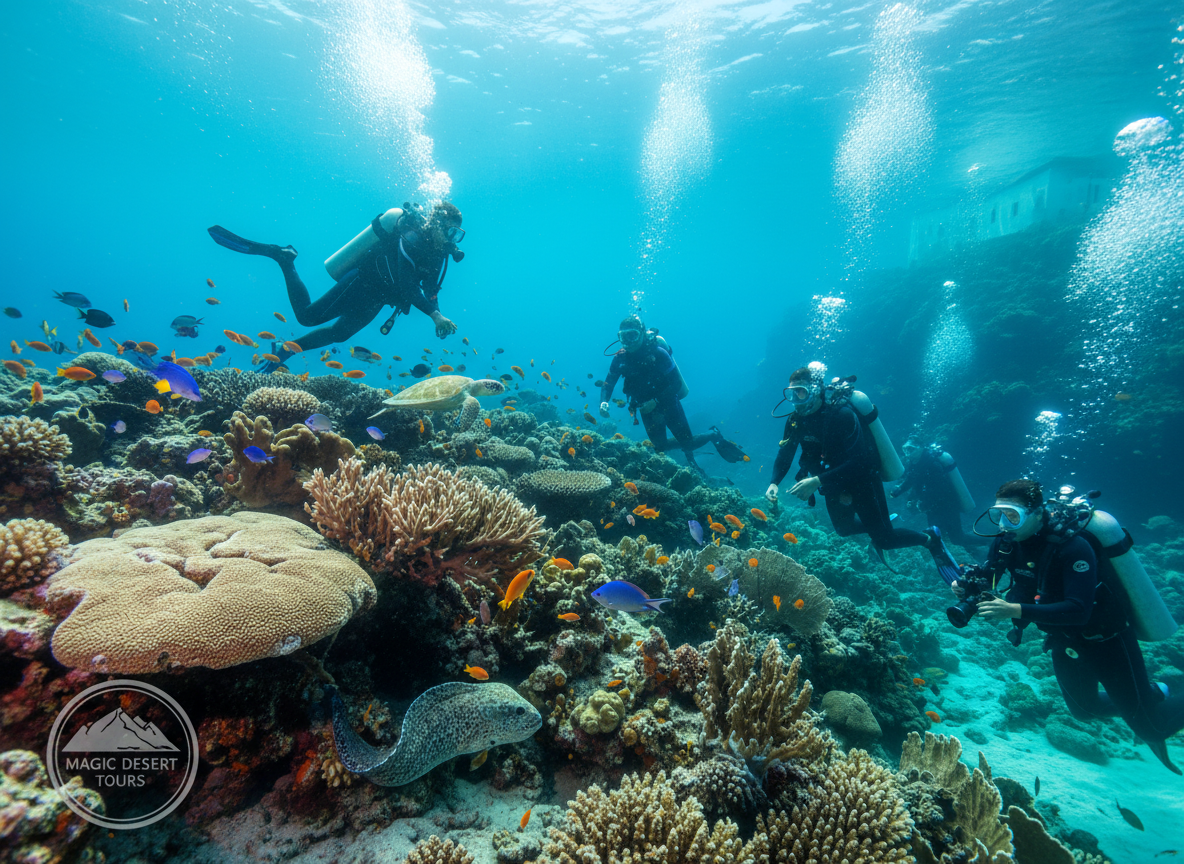
Try dives and baptism experiences for first-timers
Try dives usually include a short briefing, shallow skill practice, and close supervision. A guide stays with you as you breathe and float for the first time.
Guided fun dives for certified divers
Certified guests get site choices based on conditions and goals. Guided dives increase your odds of seeing marine life and reduce time spent navigating.
Night dives and specialty experiences
Night options depend on weather, visibility, and operator schedules. These experiences reveal different seafloor life but require extra planning and lights.
- Questions to ask: max depth, diver-to-guide ratio, shore vs. boat entry, what’s included.
- Self-check: comfort with currents, cold tolerance, and visibility needs before you book.
| Type | Who it’s for | Key features |
|---|---|---|
| Try / Baptism | First-timer / novice | Briefing, shallow skills, close guide |
| Guided Fun | Certified divers | Site selection, local knowledge, better sightings |
| Night / Specialty | Experienced diver | Lights, planned entry, variable availability |
Scuba Certification and Courses You Can Take in Morocco
Learn how straightforward certification paths help you move from a single shallow experience to full professional training.
Beginner pathways
The common entry point is a Discover Scuba Diving session (450 DH). It’s a short, supervised introduction that includes equipment rental and instructor fees.
Next step is an Open Water course. Sample 2025 prices: PADI Open Water 5500 DH, SSI Open Water 4125 DH, CMAS P1 5000 DH. These courses give you the full certification and basic depth limits to dive safely.
Advanced and rescue training
Advanced courses build skill and confidence for varied conditions. Prices: PADI Advanced 5000 DH, SSI Advanced Adventurer 3750 DH, CMAS P2 4500 DH.
Rescue-level training helps you handle problems and improves group safety. Add this if you plan deeper or drift dives up to typical course limits (often 30 meters).
Professional tracks and specialties
Going pro starts with Divemaster: PADI 11000 DH, SSI Divemaster/Dive Guide 8250 DH, CMAS P3 9500 DH. These programs prepare you to lead and assist courses.
Specialty courses level up skills. Typical prices: PADI specialties 3500 DH, SSI 2800 DH. Sidemount runs about 6000 DH and suits photographers and technical-minded divers.
Agency comparison and what’s included
PADI and SSI have broad international recognition and flexible e-learning. CMAS is regional but respected; its structure is more sequence-based.
Most course prices include rental gear, instructor fees, and certification paperwork. Ask centers about language options (Arabic, French, English) and any extras like manuals or specialty gear.
| Level | Typical Price (DH) | Included | Best for |
|---|---|---|---|
| Discover Scuba | 450 | Gear, instructor, brief | First-timers |
| Open Water | PADI 5500 / SSI 4125 / CMAS 5000 | Gear, pool/shores, cert | New certified divers |
| Advanced / Rescue | Advanced 5000 / 3750, Rescue varies | Skill dives, instructor | Confident recreational divers |
| Divemaster / Pro | 8250–11000 | Practical training, cert | Pros and career divers |
Planning Your Diving in Morocco Trip from the United States
Start your trip by picking a coastal base that keeps transit short and sea time long. Tangier or Tetouan make ideal hubs for culture, food, and quick access to nearby spots.
Where to base yourself
Tangier is closest to international flights and offers short drives to Belyounech. Tetouan has a quieter feel and easy coastal access if you prefer less hustle.
How to reach Belyounech
From Tangier take the N1 toward Tetouan and follow signs to Belyounech. From Tetouan use N13 toward Fnideq, then continue south on the coastal road from Fnideq.
GPS: 35.903306°N, 5.390556°W — plug this into your maps app for turn-by-turn directions.
What to pack vs. rent
Bring personal items that matter most: mask, snorkel, wetsuit or preferred exposure protection, and a dive computer. These save you fit and comfort issues on arrival.
Most centers rent core equipment such as BCDs, regulators, tanks, and weights. If you are a pro diver, bring your own regs or computer for consistency.
Booking and timing tips
Book 1–2 weeks ahead for peak summer travel (June–September). Reserve 2–3 weeks for specialty courses or limited slots.
Plan buffer days for weather changes. Ask operators which dive sites are best that day and mix Mediterranean and Atlantic spots to improve odds of good water and conditions.
- Carry your certification card and logbook/app when booking fun dives or courses.
- Pack sunscreen for surface time, a rash guard, motion-sickness meds for boat travel, and warm layers for evenings.
| Item | Bring | Rent Locally |
|---|---|---|
| Mask & snorkel | Recommended | Optional |
| Wetsuit / exposure | Bring preferred fit | Available |
| BCD / regulator | Optional for pros | Common rental |
| Dive computer | Bring if owned | Rental possible |
| Tanks / weights | Not needed | Provided |
Conclusion
You can shape a trip that fits your goals and skill level. diving in morocco offers two coastlines, clear Mediterranean visibility, and Atlantic variety that appeal to beginners and pros alike.
Aim for May–October, pick a reputable center, and stay flexible with weather and site choices. That approach gives you a better diving experience and safer days on the water.
Top themes to remember: Mediterranean clarity for photos, Atlantic variety for exploration, training-friendly walls, and protected areas rich with marine life. Local guides and people will help you find the best spots.
Shortlist Tangier or Tetouan, choose shore or boat, and book your dives with enough lead time. Focus on what excites you most—wildlife, visibility, or skills—and go enjoy the underwater world.
FAQ
What makes the underwater world here feel different from other destinations?
You’ll notice a blend of Mediterranean calm and Atlantic energy along the coast, which creates varied habitats. Clear seagrass meadows and rocky reefs host colorful reef fish and groupers, while Atlantic currents bring larger visitors and dramatic walls. That diversity gives you the chance to see both sheltered reef life and stronger, more pelagic-leaning species during the same trip.
When is the best season to plan your trip for optimal water temperature and visibility?
The ideal window runs from May through October. During these months you’ll find warmer sea temperatures, calmer seas, and better visibility for boat and shore dives. If you travel in late spring or early fall, you’ll balance good conditions with fewer crowds than peak summer.
How chilly does the water get in winter and what exposure protection should I pack?
Winter brings cooler temperatures and more wind, with water often dropping to the mid-50s–low 60s °F along some Atlantic sites. A 5mm wetsuit or a 7mm with a hood is common for colder months; in summer a 3mm or 5mm will usually suffice. Bring a hood and gloves if you plan dives in open, rocky areas.
Are there protected areas where marine life is better preserved?
Yes. Al Hoceima Marine National Park is a notable reserve with healthy reefs, caves, and abundant endemic species. Diving in or near protected zones often means more abundant fish, larger groupers, and better habitat structure, so you’ll want to support responsible operators that respect reserves.
What species should I expect to see on a typical reef dive?
Typical encounters include groupers, wrasse, colorful reef fish, moray eels, and benthic life like starfish and sea urchins. You also have a good chance of spotting octopus and squid. Seasonal and site-specific variations mean each dive can bring different highlights.
Are there good options for beginner divers or people without certification?
Absolutely. Many dive centers offer Discover Scuba Diving sessions—short, guided “baptism” dives that let you try gear and basic skills under instructor supervision. For full certification, you can complete an Open Water course at several coastal hubs.
What should you look for when choosing a dive center or instructor?
Pick centers with certified instructors (PADI, SSI, or CMAS), modern equipment, clear safety procedures, and small group sizes. Check that they perform pre-dive gear checks, enforce buddy protocols, and provide local briefings about currents and site-specific hazards.
How do conditions and sites differ between the Mediterranean and Atlantic coasts?
The Mediterranean side tends to offer calmer seas, excellent visibility, and rocky reefs with stable conditions—great for training and long reef swims. The Atlantic side shows stronger currents, colder water pockets, and dramatic walls or sea cliffs, which appeal to experienced divers and photographers seeking bigger subjects.
Can you do night dives and specialty experiences here?
Yes, many operators run night dives, wreck visits, and specialty outings like underwater photography or sidemount familiarization. Availability depends on season, weather, and local regulations, so book ahead and confirm prerequisites with the dive center.
What certification pathways and agencies are available if I want to continue training?
You can start with Discover Scuba, progress to Open Water, then Advanced Open Water and Rescue courses. Divemaster and instructor tracks are available for professional progression. Popular agencies on-site include PADI, SSI, and CMAS, each offering internationally recognized certifications.
How should you plan travel logistics from the United States, including bases and transportation to dive sites?
Base yourself in coastal hubs like Tangier, Tetouan, or Agadir depending on the region you want to explore. Many dive sites are a short drive from those towns—Belyounech and Jebel Moussa are reachable via coastal roads. Rent a car or arrange transfers with your dive center for the smoothest logistics.
What gear should you pack versus rent locally?
Bring personal items like masks, fins, and a dive computer for comfort and hygiene. Wetsuits, BCDs, regulators, and tanks are often available to rent. If you use specialty gear (sidemount, drysuit), check local availability and reserve it in advance.
How does visibility vary by site and what are dependable spots for clear water?
Visibility is generally best at Mediterranean-facing sites such as Belyounech and Jebel Moussa, where calm conditions and clear water are common. Atlantic spots can offer excellent visibility on calm days but expect more variability with currents and wind.
Are there quieter, less visited dive spots if you want a more pristine feel?
Yes. Larache and certain stretches near yellow cliff areas provide quieter, more secluded dives off wider beaches. These spots typically see fewer boats and offer a more relaxed experience for photography and exploration.