Travel Guides
Visiting Morocco: Is It Safe for Tourists?
20 min read
What if the country you’ve been dreaming about visiting is far safer than you think? And the biggest risks aren’t the ones you’d expect?
Morocco draws over 13 million visitors each year. It’s the most popular destination in North Africa. Yet, many American travelers hesitate, unsure about what awaits them. So, is Morocco safe for tourists? The short answer might surprise you.
The U.S. State Department rates Morocco at a Level 2 advisory. This means you should exercise increased caution. It’s the same level as France, the United Kingdom, and Germany. Tourism fuels about 7% of the country’s economy. The Moroccan government takes tourist safety seriously because millions of livelihoods depend on it.
In recent years, Morocco has invested heavily in keeping travelers secure. You’ll find dedicated multilingual tourist police in cities like Marrakech, Fez, and Casablanca. Surveillance systems have been upgraded across major landmarks and transit hubs. These changes reflect a real commitment to morocco travel safety at every level.
This guide breaks down everything you need to know. From crime rates and scam tactics to the safest cities and tips for solo travelers. By the end, you’ll have a clear picture of what to expect and how to stay safe on your Moroccan adventure.
Key Takeaways
- Morocco welcomes over 13 million tourists yearly, making it North Africa’s top travel destination.
- The U.S. State Department rates Morocco at Level 2 — the same advisory level as many Western European countries.
- Tourism accounts for 7% of Morocco’s GDP, so the government actively prioritizes tourist safety Morocco visitors can count on.
- Multilingual tourist police units now operate in major cities like Marrakech, Fez, and Casablanca.
- Petty crime is the most common risk, while violent crime against tourists remains rare.
- Knowing local customs, common scams, and basic safety tips goes a long way toward a worry-free trip.
Is Morocco Safe for Tourists
Planning a trip to North Africa? You’re probably wondering: is Morocco safe for tourists? The answer is yes. Morocco has a stable government and welcomes millions of visitors yearly. About 95% of tourists feel safe, according to the Ministry of Tourism.
Understanding Morocco’s Overall Safety Record
Morocco ranks 74th in the Global Peace Index. This puts it ahead of many popular spots. The country has focused on security, especially for tourists. In cities like Marrakech, Fes, and Casablanca, tourist police are ready to help.
What International Travel Advisories Say
Major governments rate Morocco highly for safety. The UK Foreign Office says it’s safe with normal precautions. Canada agrees. The U.S. State Department also advises caution, similar to France and Germany.
Comparing Morocco to Other Popular Destinations
Morocco stands strong against other top destinations. Here’s a quick comparison:
- Morocco is safer than Mexico, Turkey, and South Africa, according to the Global Peace Index.
- It faces less terrorism risk than many neighbors.
- Violent crimes targeting tourists are lower than in many European capitals.
With solid security and positive ratings, Morocco is a great choice. Next, we’ll dive into crime statistics to help you prepare.
Current Crime Rate in Morocco and What You Should Know
Before you pack your bags, let’s look at the numbers. Morocco’s crime rate is 41.42, which is lower than many European countries. This means your trip to Morocco might be safer than a vacation in Paris or Rome.
Petty Crime and Pickpocketing Statistics
Petty theft is a big worry for visitors. About 3–5% of travelers face minor theft. These incidents often happen in:
- Busy medinas and narrow alleyways
- Crowded souks during peak shopping hours
- Popular tourist squares like Jemaa el-Fnaa in Marrakech
- Public transportation hubs
Being careful in these places and keeping your valuables close can help a lot.
Violent Crime Rates Against Tourists
Violent crimes against tourists are very rare. Only 0.02% of foreign visitors face serious incidents. Morocco is one of the safest places in North Africa and the Mediterranean for serious crimes.
How Local Authorities Handle Tourist Safety
The police in Morocco are quick to respond to tourist issues. They have a Tourist Police Brigade that works 24/7. You can report problems in Arabic, French, English, or Spanish at any time.
Morocco has special courts for tourists. They try to solve cases within 48 hours. This shows Morocco’s big effort to keep tourists safe and happy.
Safest Cities in Morocco for Your Visit
Morocco Travel Guide: 10 Things To Know Before You Visit Morocco in 2026 – YouTube
Tap to unmute
Morocco Travel Guide: 10 Things To Know Before You Visit Morocco in 2026 The Roving Balys
The Roving Balys6.48K subscribers
Not every Moroccan city is the same when it comes to safety. Some places are known for being very safe and welcoming. Knowing which cities are safest can make your trip more enjoyable.
Why Rabat Tops the Safety List
Rabat, Morocco’s capital, has a lot of security. It has lots of CCTV cameras and strong royal security. This makes it one of the safest places in the country.
The government works hard to keep both locals and visitors safe. You can walk around the Kasbah of the Udayas or see the Hassan Tower without worrying.
Exploring Essaouira Without Worry
Essaouira is a calm coastal town with no major incidents against tourists in 2023. It’s safe because of its small medina and good community policing. Locals are friendly, making it a great place to visit.
- Small, walkable medina with minimal hassle from vendors
- Active community watch programs
- Strong local tourism police presence
Chefchaouen’s Peaceful Blue Streets
Chefchaouen is famous for its blue walls and is very safe. It has a crime rate 60% lower than the national average. It’s known for its warm welcome to solo travelers and families.
Safety in Coastal Cities Like Casablanca
Casablanca has modern security with over 1,600 cameras and quick response teams. It’s a big city, but being careful at night can help you stay safe.
Is Marrakech Safe for Tourists and First-Time Visitors
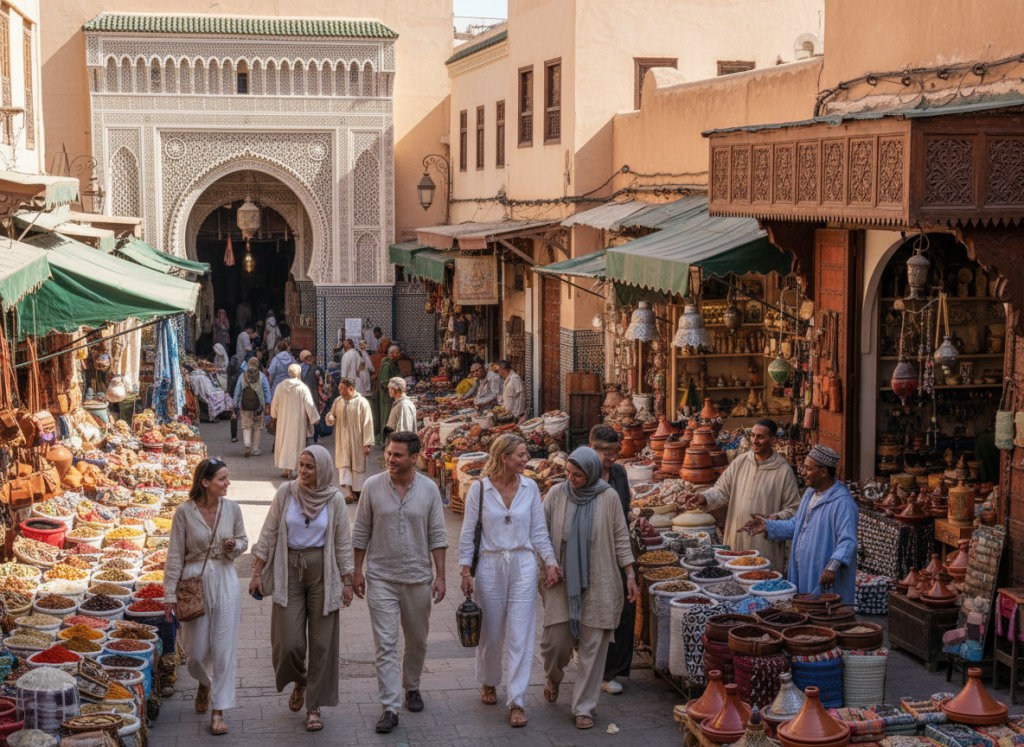
So, is Marrakech safe for tourists planning their first trip? The answer is yes. Marrakech welcomes about 3 million visitors yearly. The city has invested in keeping them safe.
For first-time Morocco visitors, Marrakech is a thrilling start. It offers a glimpse into North African culture with strong safety measures.
In 2023, Marrakech’s security got a big boost. The city added 760 CCTV cameras in the medina and key spots. Tourist Police patrol Jemaa el-Fnaa square and nearby areas. They offer a visible and reassuring presence.
Emergency teams can reach tourist zones in about 8 minutes on average.
Here are key safety features in Marrakech:
- Tourist Police units stationed at major gathering spots like Jemaa el-Fnaa
- Licensed guides who carry official badges with ID numbers verified through the ONMT (Moroccan National Tourist Office) database
- Hotels required to register all guests with local authorities within 24 hours of check-in
- Widespread CCTV surveillance in high-traffic areas
For first-time Morocco visitors, it’s wise to stick to well-known paths at first. The medina can be overwhelming. Save your hotel’s address on your phone to navigate easily if lost.
Always check your guide’s credentials before hiring one. A quick badge check can prevent scams. Knowing these tips ensures a safe and memorable visit. It also prepares you for travel warnings in the rest of Morocco.
Morocco Travel Warnings You Need to Consider
Before you book your trip, it’s wise to check the latest travel warnings for Morocco. Knowing these helps you plan a safer trip and avoid surprises.
State Department Updates and Alerts
The U.S. State Department advises travelers to “Exercise Increased Caution” in Morocco. This level is the same as for places like France and the UK. Always check the U.S. Embassy in Rabat’s website for updates on demonstrations and security issues.
Signing up for the Smart Traveler Enrollment Program (STEP) is easy and free. It offers:
- Emergency alerts sent directly to your phone or email
- Consular assistance in a crisis
- Help from the nearest U.S. embassy or consulate
Regional Areas to Avoid
Most of Morocco is safe for tourists. But, some areas need extra care. The Rif Mountains in the north might see protests that could change your route. The Western Sahara region south of Tan-Tan also requires careful planning due to local tensions.
Keep an eye on local news before driving through rural areas. Your hotel staff and local news outlets can provide timely updates.
Border Zones and Restricted Territories
The border with Algeria has been closed since 1994. The State Department advises avoiding areas near this border. Places like Oujda and Figuig’s remote areas are off-limits for visitors.
Stick to well-known routes and always carry your passport between cities. This way, your trip will be both safe and enjoyable. You can then enjoy Morocco’s vibrant markets and more without worry.
Common Morocco Tourist Scams and How to Avoid Them

Learning about morocco tourist scams before you go can save you money and stress. Most scams target first-time visitors who don’t know local customs or prices. A little preparation can make your trip better.
The faux guide scam is a common trick. Unlicensed people wait near train stations, bus stops, and medina entrances. They offer to help you find your hotel or a restaurant, then ask for a lot of money. Official guides have ONMT (Office National Marocain du Tourisme) licenses. Always ask to see their credentials before accepting help.
Watch out for these frequent scams during your visit:
- Henna artists — In Jemaa el-Fnaa square, artists may grab your hand and apply henna without asking. They’ll demand inflated payment once the design is done.
- Carpet shop touts — Friendly strangers lead you to carpet shops where high-pressure sales tactics kick in. The tout earns a commission on anything you buy.
- Menus without prices — Some restaurants skip printed prices, leading to morocco overcharging tourists when the bill arrives.
- Taxi meter tricks — Drivers may claim their meter is broken to charge you triple the normal fare.
Protecting yourself is simple. Negotiate taxi fares before you get in. Eat at restaurants that display prices clearly. Politely decline unsolicited help from strangers. These small steps will help you avoid the most common morocco tourist scams and enjoy your trip with peace of mind.
Essential Morocco Safety Tips for Travelers
Getting ready for Morocco is key. These tips will make your trip safe and fun. Whether you’re in a bustling market or taking a late-night taxi, being smart keeps you safe.
Protecting Your Belongings and Valuables
Make copies of your passport and keep them in a different bag. Store digital copies online. A money belt under your clothes is a great way to stay safe in crowded places.
Navigating Markets and Crowded Areas
Morocco’s souks are lively but full of pickpockets. Here’s how to stay safe:
- Only carry the cash you need for the day.
- Use a bag with a zipper.
- Download maps on your phone so you don’t get distracted.
- Be mindful of your surroundings, especially in narrow alleys.
Transportation Safety Guidelines
Always take orange petit taxis in cities like Marrakech and Fez. They have fare cards and driver IDs. Book airport transfers through your hotel and avoid unmarked cars at train stations.
Money and ATM Safety Practices
Use ATMs inside banks, not on the street. Nighttime withdrawals from street machines are risky. Tell your bank you’re traveling to avoid card freezes. Carry small bills for taxis and shopping to avoid showing too much cash.
Health and Safety Morocco Guidelines for Your Trip
Planning for health during your Moroccan trip is key. Knowing the health and safety guidelines before you go can prevent issues. Here’s what you need to know about vaccinations, food safety, and medical help.
Required and Recommended Vaccinations
The CDC advises getting certain vaccinations before your trip. Make sure your routine shots are current. You’ll need vaccinations for:
- Hepatitis A — spread through contaminated food and water
- Typhoid — especially if you plan to eat street food
- Hepatitis B — for longer stays or close contact with locals
- Rabies — if you’ll spend time in rural or remote areas
See your doctor four to six weeks before you leave. This allows vaccines to work fully.
Food and Water Safety Precautions
Always drink bottled water from sealed containers. Avoid ice in drinks, as it’s often made from tap water. Peel fruits yourself and eat cooked foods served hot. Street food is great, but pick busy stalls where food is fresh.
Medical Facilities and Emergency Services
Medical care in Morocco varies by location. Private clinics in Casablanca and Rabat meet international standards. They have English-speaking staff. Rural areas have fewer options, so plan well if you’re going off the beaten path.
In emergencies, call 190 for an ambulance in cities. Response times can be slow outside major cities. Make sure your travel insurance covers medical evacuation, especially for trips to the Atlas Mountains or Sahara Desert. Carry a basic first-aid kit and any prescription medications, along with copies of your prescriptions.
Women Traveling Alone in Morocco: What You Should Know

Women traveling alone in Morocco is more common than you might think. Thousands of solo female travelers visit this North African gem each year. They come home with incredible stories. The key is preparation and knowing what to expect before you arrive.
Solo female travel Morocco experiences tend to be overwhelmingly positive when you follow a few smart strategies. Dressing modestly — covering your shoulders and knees — shows respect for local culture. It also reduces unwanted attention. Many seasoned travelers recommend wearing a wedding ring, even if you’re single. This simple trick can discourage persistent approaches from strangers.
When it comes to women’s safety Morocco offers some built-in advantages you should know about:
- ONCF trains between major cities feature women-only compartments for added comfort and security.
- Riads (traditional guesthouses) provide secure accommodations, and many employ female staff who can assist you.
- Online communities like the “Girls Love Travel” Facebook group offer real-time advice from women who’ve been there.
- Guided tours designed for women create a safe space to explore souks, medinas, and the Sahara.
Women’s safety Morocco standards have improved in recent years as the tourism industry has adapted to serve this growing market. Local guides are more aware of the needs of solo female visitors. Many accommodations now cater to them specifically.
Trust your instincts just as you would in any unfamiliar place. Stick to well-lit streets at night, share your itinerary with someone back home, and don’t hesitate to ask your riad staff for neighborhood advice. Women traveling alone in Morocco can have a safe, life-changing trip with the right mindset and a bit of planning.
Traveling to Morocco Alone as a Solo Adventurer
Traveling alone to Morocco can be incredibly rewarding. The country is full of culture, delicious food, and beautiful landscapes. Exploring at your own pace makes these experiences even more special. With careful planning, your solo trip to Morocco will be safe and unforgettable.
Choosing Safe Accommodations
Your accommodation is key to a great trip. Look for riads or hotels with 24-hour staff and security. Websites like Booking.com let you see reviews from other solo travelers.
Hostels like Equity Point Marrakech are great for solo travelers. They have group activities and events for guests.
Building Your Support Network
You don’t have to travel alone. Join guided tours to meet other travelers. Use WhatsApp for communication and enjoy free Wi-Fi in cafes and hotels.
Stay in touch with family and friends, and make new ones. This helps keep you safe while traveling independently.
Best Solo Travel Routes and Destinations
The Casablanca–Rabat–Fes route is perfect for beginners. Morocco’s ONCF trains make it easy and affordable to travel between these cities. You’ll see:
- Coastal city life in Casablanca
- The calm, tree-lined streets of Rabat
- The ancient medina and cultural depth of Fes
Each place is safe for solo travelers, with tourist police and friendly locals. After getting comfortable, try Chefchaouen or the Atlas Mountains for more adventures. Solo travel in Morocco is for the curious and brave. Trust your instincts and enjoy the journey.
Cultural Considerations and Respectful Tourism
Learning about morocco cultural etiquette makes your trip better for you and the locals. Morocco values hospitality and respect, being a Muslim-majority country. Knowing some basic customs helps you connect with people.
Dress Codes and Local Customs
Dressing modestly is key for respectful tourism in Morocco. Wear clothes that cover your shoulders and knees, especially in mosques like the Hassan II Mosque in Casablanca. In Marrakech, you can dress a bit more casually, but still, wear conservative clothes to show respect.
If a Moroccan family invites you for mint tea, take off your shoes at the door. Use your right hand to eat and greet. These actions show you respect their traditions.
Religious Sites and Appropriate Behavior
Friday is a holy day in Islam. Shops close from noon to 2 p.m. for prayers. Expect more people near mosques then. Be quiet and don’t block prayer entrances.
Public displays of affection are frowned upon, especially near mosques. It’s important to be mindful of this rule.
Photography Etiquette and Permissions
Always ask before taking someone’s photo. This is a crucial part of morocco customs tourists often forget. In Berber villages, people might not want to be photographed without asking. A simple “Is it okay?” usually works.
Some locals might expect a small tip for photos. This is normal.
- Ask permission before taking portraits, especially of women and children
- Avoid photographing military buildings or government sites
- Respect “no photos” signs inside museums and palaces
Following morocco cultural etiquette is not just polite. It also leads to richer experiences and warmer welcomes across the country.
Conclusion
Morocco welcomes millions of visitors each year, offering a safe and exciting experience. You can visit imperial cities like Fez and Marrakech. Or, trek through the Atlas Mountains or camp in the Sahara Desert.
The Moroccan government is making tourism safer with new measures. This includes Tourist Police units and better emergency services in popular spots.
Safe tourism in Morocco is possible with some preparation. Follow basic safety tips, keep your belongings safe, and watch out for scams. Also, respect local customs and dress modestly near religious sites.
Being open-minded about cultural differences is key. These steps will help make your trip enjoyable and worry-free.
Traveling to Morocco is an adventure waiting to happen. Pack your sense of adventure and do your homework. Morocco promises unforgettable experiences for those who are curious and respectful.
With the right preparation, your trip to Morocco will be memorable. It’s a journey you’ll want to share with friends and family for years.
FAQ
Is Morocco safe for tourists in 2024?
Yes, Morocco is safe for tourists. It welcomes over 13 million visitors annually. The U.S. State Department lists Morocco at Level 2: Exercise Increased Caution, similar to many European destinations. Morocco ranks 74th in the Global Peace Index.The government has invested in tourist safety. This includes Tourist Police units in major cities. Morocco’s Ministry of Tourism reports a 95% tourist satisfaction rate regarding safety.
What is the crime rate in Morocco compared to other destinations?
Morocco’s crime rate is lower than many European destinations. Petty theft like pickpocketing affects about 3-5% of tourists. Violent crimes against tourists are extremely rare, at just a 0.02% incident rate.Local authorities take tourist safety seriously. The Tourist Police Brigade operates 24/7 hotlines in several languages. Dedicated tourist courts fast-track cases involving foreign visitors within 48 hours.
What are the safest cities in Morocco to visit?
The safest cities in Morocco include Rabat, with the lowest crime rate. Essaouira reported zero major incidents against tourists in 2023. Chefchaouen has a crime rate 60% below the national average.Casablanca has modernized its security systems. It has 1,600 surveillance cameras and rapid response units.
Is Marrakech safe for tourists and first-time visitors?
A: Marrakech is safe for tourists and welcomes around 3 million visitors every year. The city has dedicated Tourist Police at popular spots like Jemaa el-Fnaa square. It has installed 760 CCTV cameras throughout the medina and major attractions in 2023.Licensed guides wear official badges with ID numbers you can verify through the ONMT database. Emergency response time in tourist zones averages just 8 minutes. If you’re a first-time visitor, you’ll find Marrakech well-equipped to keep you safe.
What Morocco travel warnings should I know about?
The main Morocco travel warnings center around specific regional areas rather than the country as a whole. The U.S. State Department advises avoiding areas near the Algeria border, which has been closed since 1994. The Western Sahara region beyond Tan-Tan requires extra caution.The Rif Mountains occasionally experience protests that may require route adjustments. You should register with the STEP program (Smart Traveler Enrollment Program) for real-time emergency alerts and check embassy websites for the latest updates on demonstrations or strikes before your trip.
What are the most common Morocco tourist scams to watch out for?
The most common Morocco tourist scams include fake guides without official ONMT licenses who target you at train stations and medina entrances. In Marrakech, henna artists may grab your hand without permission and then demand payment. Carpet shops often employ high-pressure sales tactics using commission-based touts.Some restaurants display menus without prices, leading to inflated bills. Always verify that taxi meters are working or negotiate your fare before getting in. A good rule of thumb — if someone approaches you unsolicited offering help or services, politely decline and keep walking.
What are the best Morocco safety tips for travelers?
Here are essential Morocco safety tips for travelers: Keep copies of your passport and travel documents in separate locations from the originals. Use a money belt in crowded souks where pickpockets target distracted shoppers. Download offline maps like Maps.me so you can navigate without pulling out your phone and revealing tourist status.Use ATMs inside banks rather than street machines, especially at night. Stick to registered orange taxis in cities that display fare cards and driver identification. These simple precautions go a long way toward keeping your trip worry-free.
What health and safety Morocco guidelines should I follow?
For health and safety in Morocco, the CDC recommends getting Hepatitis A and Typhoid vaccines along with updated routine vaccinations before your trip. Drink only bottled water from sealed containers and avoid ice in drinks. Private clinics in Casablanca and Rabat meet international standards with English-speaking staff.The emergency number 190 connects you to ambulance services in urban areas. You should definitely purchase travel insurance that includes medical evacuation coverage for remote regions like the Atlas Mountains or Sahara Desert.
Is it safe for women traveling alone in Morocco?
Many women traveling alone in Morocco report positive experiences, especially when following a few practical guidelines. Dress modestly by covering your shoulders and knees, which aligns with local customs and reduces unwanted attention. Wearing a wedding ring — even if you’re unmarried — can also help.ONCF trains offer women-only compartments on routes between major cities, and riads often have female staff members available for your comfort. Joining female-focused communities like the Girls Love Travel Morocco Facebook group gives you access to real-time advice and recommendations from women who’ve been there.
What should I know about traveling to Morocco alone as a solo adventurer?
A: Traveling to Morocco alone is absolutely doable with the right planning. Book accommodations with 24-hour reception and security through platforms like Booking.com or established riads. Join day tours through GetYourGuide or Viator to meet other travelers safely while exploring.A popular solo route is the Casablanca-Rabat-Fes circuit, which has reliable train connections. Hostels like Equity Point Marrakech organize solo traveler meetups and group activities. WhatsApp is the primary communication tool in Morocco, and free wifi is widely available, so staying connected is easy.
What cultural customs should I respect when visiting Morocco?
Respecting local customs makes your trip smoother and more enjoyable. Cover your shoulders and knees when visiting mosques open to non-Muslims, like the iconic Hassan II Mosque in Casablanca. Remove your shoes before entering homes if you’re invited for traditional mint tea.Always ask permission before photographing people, especially in rural Berber villages. Be aware that Friday prayers from noon to 2pm affect business hours and create crowds near mosques. Public displays of affection are discouraged, as Morocco maintains conservative social norms.
Do I need travel insurance for a trip to Morocco?
You should absolutely carry travel insurance when visiting Morocco. While the country’s major cities have quality private medical facilities, remote areas like the Atlas Mountains and Sahara Desert may require medical evacuation, which can be extremely expensive without coverage. Look for a policy that includes emergency medical treatment, evacuation, trip cancellation, and theft protection.Given that petty crime like pickpocketing can happen in busy markets, having coverage for stolen belongings also gives you valuable peace of mind throughout your adventure.
Search
Recent Posts
Ouzina Desert Morocco
Ouzina Desert: Discover Morocco’s Hidden Sea of Golden Dunes The Moroccan Sahara is full of breathtaking landscapes, but few places remain as untouched and authentic as the Ouzina Desert. Located in southeastern Morocco, far from the crowds of the more visited desert destinations, Ouzina offers visitors a chance to experience
July 18, 2026
Morocco Travel Guide 2027
Ultimate Morocco Travel Guide 2027 Morocco continues to be one of the world’s most fascinating travel destinations, and 2027 is the perfect time to discover everything this North African country has to offer. From the colorful streets of Marrakech and the blue alleys of Chefchaouen to the endless dunes of
July 15, 2026
Local Guide in Marrakech | Private Tours
Local Guide in Marrakech Marrakech is a city that captures your attention from the moment you arrive. The sound of musicians in Jemaa el-Fnaa, the scent of fresh spices, the colorful souks, and the beautiful architecture create an atmosphere unlike anywhere else in the world. While it’s easy to admire
July 11, 2026
Morocco Desert Trips | Sahara Tours
Morocco Desert Trips: Discover the Magic of the Sahara Morocco Desert Trips are among the most unforgettable travel experiences in North Africa. From the golden dunes of the Sahara Desert to ancient kasbahs, mountain passes, and traditional Berber villages, a desert journey offers travelers a unique combination of adventure, culture,
June 21, 2026
Best Students Tours in Morocco
Join us for the best Students Tours in Morocco and discover the wonders of this beautiful country while making lasting memories!
June 20, 2026
Desert Tours from Ouarzazate – Guide
The Ultimate Guide to Desert Tours from Ouarzazate Known as the “Door of the Desert,” Ouarzazate is the perfect launchpad for exploring the dramatic landscapes of the Moroccan Sahara. Because it sits just south of the High Atlas Mountains, starting your journey here cuts out hours of driving compared to
June 20, 2026