Travel Guides
When is the Best Time to Visit Morocco?
16 min read
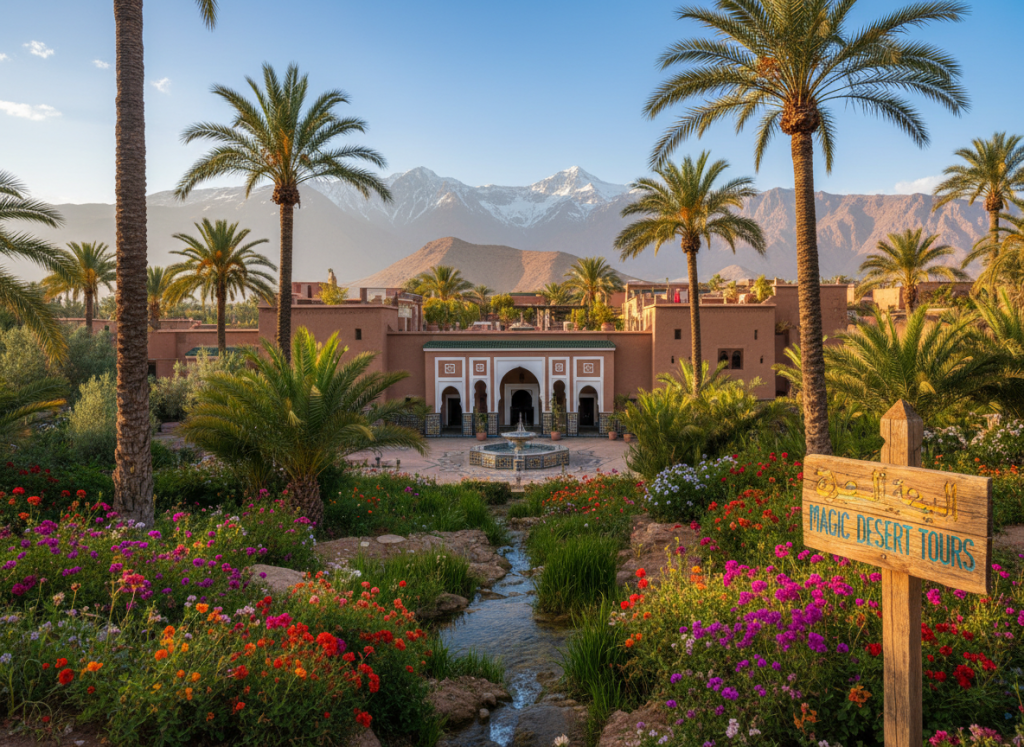
What if the month you pick for your Morocco trip could make or break your entire experience?
Timing is key in Morocco. The best times are spring and fall, with temperatures between 60°F and 75°F. This makes exploring Marrakech’s souks and Fes’s medina a breeze, avoiding extreme weather.
Planning your Morocco trip depends on your interests. Want to trek the Sahara Desert or enjoy Essaouira’s beaches? Or maybe skiing the Atlas Mountains excites you? Each season offers a unique Morocco experience.
The shoulder seasons, from March to May and September to November, are ideal. They offer fewer tourists, better prices, and nice weather. You’ll enjoy Morocco without the crowds and chaos of peak times.
This guide covers every season, region, and activity. Find the perfect time for your trip. Let’s discover your ideal travel dates.
Key Takeaways
- Spring (March–May) and fall (September–November) offer the most comfortable weather for exploring Morocco’s cities and landscapes.
- Summer draws beach lovers to coastal towns like Essaouira and Agadir, but inland temperatures can exceed 100°F.
- Winter is the best time to visit Morocco for budget travelers, with lower prices and mild weather in southern cities.
- The Atlas Mountains provide year-round adventure, from summer trekking to winter skiing at Oukaïmeden resort.
- Sahara Desert tours are best planned for October through April when daytime heat is manageable.
- Knowing when to go to Morocco helps you avoid extreme temperatures, heavy crowds, and inflated prices.
Understanding Morocco’s Climate and Weather Patterns
Morocco’s geography is incredibly diverse. You’ll find coastal cities, towering mountains, and vast desert — all packed into one country. This means the weather can change dramatically depending on where you go. A solid morocco climate guide will help you plan your trip around the conditions that suit you best.
Mediterranean Coast vs. Atlantic Coast Weather
The Mediterranean coast around Tangier brings mild, wet winters and hot, dry summers. Temperatures can reach 85°F during peak summer months. The Atlantic coast tells a different story. Ocean breezes keep cities like Essaouira cool and comfortable, even in July and August. If you hate extreme heat, the Atlantic side is your best bet.
Mountain Regions and Desert Climate Variations
The Atlas Mountains get real snowfall from December through March. The ski resort at Oukaimeden stays open until April — yes, you can actually ski in Morocco! The Sahara Desert sits at the other extreme. Expect summer daytime temperatures above 100°F, yet winter nights can dip near freezing. These dramatic swings catch many travelers off guard.
Regional Temperature Differences Throughout the Year
Studying morocco weather by month reveals just how much temperatures vary by region. Here’s a quick breakdown of what to expect:
- Marrakech (interior plains): Over 100°F in July–August, dropping to 45–65°F in winter
- Tangier (Mediterranean coast): Summer highs near 85°F, mild winters around 50–60°F
- Essaouira (Atlantic coast): A steady 65–75°F year-round thanks to ocean winds
- Sahara Desert: Extreme summer heat, cold winter nights below 40°F
Understanding morocco weather by month across these regions helps you pick the right destinations at the right time. With this morocco climate guide as your starting point, you’re ready to explore the best seasons for your dream trip.
Best Time to Visit Morocco for Perfect Weather
Morocco is at its best during the shoulder seasons. Spring and fall are the perfect times to visit. The weather is mild, ranging from 65–80°F, making outdoor activities enjoyable.
Spring Season Benefits and Temperatures
From March to May, Morocco comes alive. Almond trees in the Dades Valley bloom, adding color to the landscape. The Atlas Mountains are great for hiking, with clear skies and cool air.
In cities like Marrakech and Fes, spring temperatures are pleasant. They range from 68–78°F, perfect for exploring, shopping, and dining outdoors.
Fall Travel Advantages in Morocco
September to November is Morocco’s fall season. The heat of summer fades, and the desert becomes more accessible. This season offers:
- Harvest festivals celebrating dates, olives, and saffron
- Date picking in the lush southern oases
- Sahara Desert excursions in comfortable temperatures
- Pleasant evenings perfect for outdoor dining
Fall travel in Morocco provides a rich cultural experience without the summer heat.
Why Shoulder Seasons Offer Ideal Conditions
Shoulder seasons offer more than just good weather. They also save you money. Prices for accommodations drop 20–30% compared to peak times. Popular spots like the Jardin Majorelle and Ait Benhaddou are less crowded.
You can enjoy Morocco fully at a lower cost. And without the crowds, you can take better photos.
Morocco Travel Seasons Breakdown
Knowing when to travel to Morocco can save you money and stress. The country’s travel calendar has clear periods that impact everything. From hotel prices to crowd levels, each season is different. Let’s explore each one to help you plan better.
- Spring (March–May): This is Morocco’s peak season. The weather is nice, flowers are in bloom, and cities are lively. Expect higher prices and more people in riads.
- Summer (June–August): Marrakech gets very hot, with temperatures over 100°F. But, coastal towns like Essaouira are cooler and attract Europeans.
- Fall (September–November): Another busy time in Morocco. The weather cools down, making it great for desert and mountain adventures.
- Winter (December–February): This is the low season in most of Morocco. Prices are lower, and there are fewer people. Southern cities stay mild, but Christmas and New Year’s are busy.
Many travelers forget about Ramadan. This Islamic holy month changes dates every year. During Ramadan, restaurants close during the day, and life slows down. Yet, it’s a unique chance to see Moroccan spiritual life and evening celebrations.
If you’re traveling during peak seasons, especially spring or fall, book early. Riads in Marrakech and desert camps near Merzouga fill up fast. Booking early means better choices and lower prices.
Now, let’s get into the details of what each season feels like in Morocco.
Spring in Morocco: March to May Highlights
Wondering when to visit Morocco? Spring is the best time. From March to May, the country is full of color, mild weather, and cultural events. It’s a perfect time, avoiding cold winters and hot summers.
Blooming Landscapes and Festival Season
Spring turns Morocco’s countryside into a botanical wonderland. Wildflowers cover the Middle Atlas Mountains in bright colors. By May, the M’Goun Valley is filled with Damascus rose harvests.
The famous Rose Festival in Kelaat M’Gouna attracts visitors worldwide. It celebrates the fragrant tradition of rose harvesting.
These months are packed with events. Local markets are full of fresh produce. Towns are alive with music and parades.
Comfortable Temperatures for Sightseeing
Daytime temperatures are between 70–75°F in major cities. This makes spring perfect for exploring. You can walk all day without getting tired.
Places like the ancient medina of Fes el-Bali and Chefchaouen’s blue streets are great to visit. Marrakech’s Jardin Majorelle and Essaouira’s coastal charm are also must-sees.
What to Pack for Spring Travel
Layered clothing is essential. It gets cool in the mornings and evenings. Bring a light jacket for these times. During the day, wear breathable fabrics.
Remember to pack:
- Comfortable walking shoes for cobblestone streets
- Sunscreen and a wide-brimmed hat
- A rain jacket for Atlantic coast showers
- A scarf for visiting mosques and rural areas
Spring break crowds arrive mid-March through April. Book riads in Marrakech and Fes early. This ensures you get the best spots during peak season.
Summer Heat and Coastal Escapes
Summer is the hottest season in Morocco, from June to August. In cities like Marrakech and Fes, temperatures soar to 100–115°F. This heat makes exploring the medinas a challenge. Hotels in these areas must have air conditioning.
But, the coast offers a cool escape. The Atlantic breeze keeps beach towns like Essaouira and Agadir pleasant. Temperatures there stay around 75–85°F.
- Essaouira — Known for refreshing ocean winds and a laid-back surf culture
- Agadir — A resort-friendly beach destination with consistent sunshine
- Casablanca — Morocco’s largest city with comfortable seaside temps
- Tangier and Al Hoceima — Mediterranean beaches popular with domestic tourists
Summer might seem like a bad time to visit Morocco on a budget. But, hotels in inland cities offer up to 40% discounts. This makes cities less crowded and more affordable.
Desert trips are tough in summer. The Sahara’s heat is extreme. But, some tours start early or late to avoid the worst of it.
Summer isn’t a bad time to visit Morocco. Just head to the coast, look for hotel deals, and plan inland trips for the cooler hours. With smart planning, summer can be a great time to explore Morocco, especially if you love the beach.
Fall in Morocco: Your September to November Guide
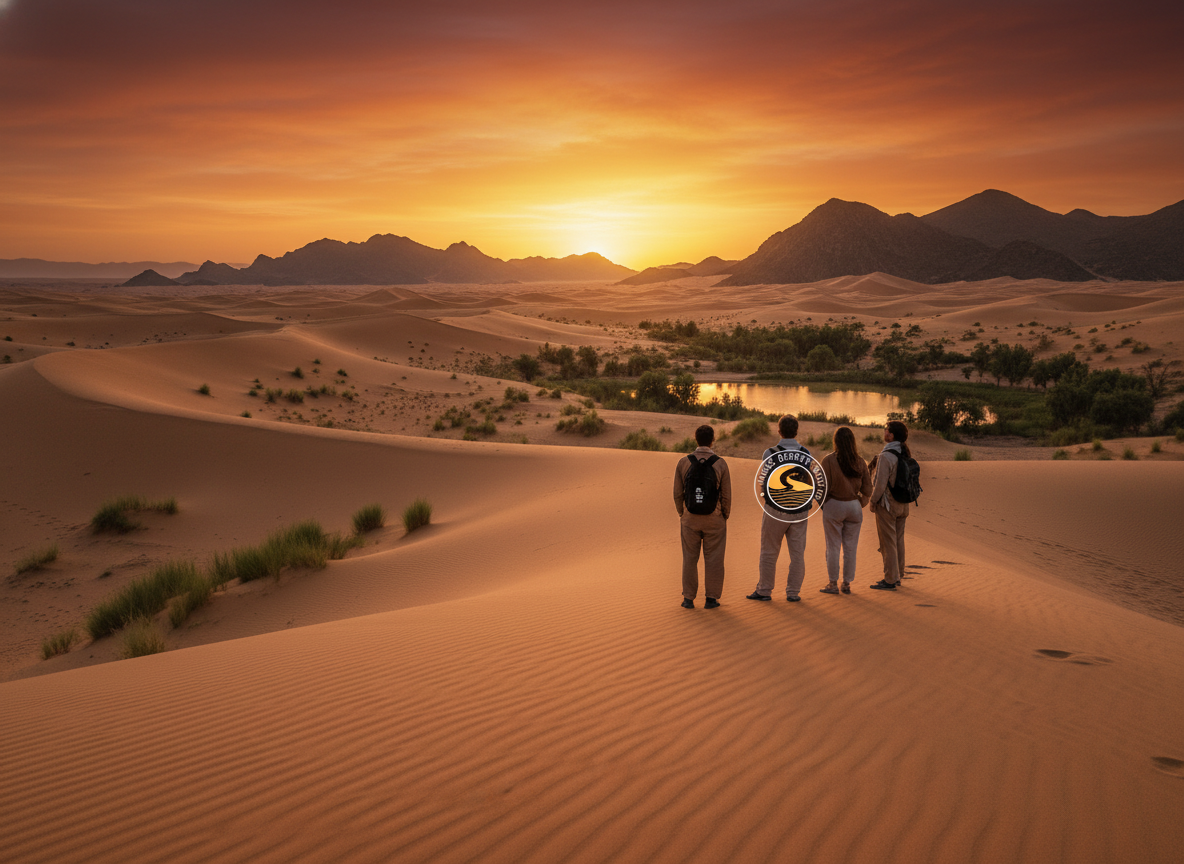
Fall travel in Morocco is perfect for those who love warm weather, rich culture, and fewer people around. By mid-September, the temperature is just right, between 70–80°F. This makes it great for exploring, trekking, and camping in the desert.
Harvest Season and Cultural Events
Autumn in Morocco is filled with colorful festivals. The Erfoud Date Festival happens in October, in the southern oases. You can enjoy fresh dates, watch traditional shows, and meet locals.
In September, the Imilchil Marriage Festival celebrates Berber traditions. It features music, dancing, and community matchmaking rituals that go back centuries.
Perfect Weather for Desert Adventures
Fall is the best time for Sahara adventures. Desert camps in Erg Chebbi and Erg Chigaga are busy during this season. The nights are cool, around 60°F, making it easy to sleep under the stars.
The daytime is warm but not too hot. This makes camel treks and sandboarding fun, not tiring.
The Atlantic surf is at its best in fall. Places like Taghazout get consistent swells. It’s great for both new and experienced surfers.
Fewer Tourists and Better Deals
By November, Morocco is less crowded. This means a more peaceful trip for you. Here’s what you can expect:
- Quieter medinas in Marrakech and Fez for relaxed shopping
- Better negotiating power in the souks
- Easier access to popular riads and restaurants
- Shorter lines at major attractions like Jardin Majorelle
Traveling in Morocco without the crowds lets you enjoy the country’s beauty at your own pace. No rush, no stress, just real travel.
Morocco Winter Weather: December to February
Winter in Morocco is full of surprises. The climate changes a lot from north to south. Snow falls on the high peaks, but the southern coast stays sunny. This guide helps you plan your trip during the cooler months.
Skiing in the Atlas Mountains
Morocco has a ski season. The Oukaimeden resort is at about 10,500 feet in the High Atlas Mountains. It’s open from December to March. There are slopes for beginners and intermediate skiers.
The weather at this high altitude brings consistent snowfall. It’s a unique spot for winter sports lovers from the U.S. looking for something different.
Mild Temperatures in Southern Cities
Going south reveals a different story. Cities like Agadir have daytime temperatures around 70°F, perfect for escaping the cold. Marrakech has sunny days near 65°F, but nights can drop to 40°F. Don’t forget to pack layers for the evenings.
Rain mostly falls in northern regions. Chefchaouen sees the most rain in January and February.
Here’s a quick snapshot of winter conditions across Morocco:
- Agadir: ~70°F, mostly sunny, great for beach days
- Marrakech: ~65°F days, ~40°F nights, dry and sunny
- Chefchaouen: Rainy, cooler, lush green landscapes
- Atlas Mountains: Snow-covered, perfect for skiing
Budget-Friendly Travel During Low Season
Your wallet will thank you for visiting in winter. Hotel rates drop 30–50% compared to peak season. The only exception is around Christmas and New Year’s, when prices go up.
This tip alone can save you hundreds on accommodations. Fewer crowds at popular spots like the medinas and riads make your experience even better.
Peak Season Morocco vs. Off-Season Travel
Deciding between peak season Morocco and off-season travel depends on what you value most. Do you prefer perfect weather, or do you want to experience Morocco like a local? Each choice has its own advantages to consider before you plan your trip.
Peak season in Morocco is from March to May and September to November. The weather is perfect for exploring cities and deserts. However, places like Majorelle Garden and Hassan II Mosque get very crowded. It’s wise to book tickets early.
Riads in Marrakech also charge more during these months. They might even ask for a minimum stay.
Off-season travel offers a different experience. Morocco is less crowded during summer and winter. You’ll enjoy benefits that peak visitors often miss:
- Genuine interactions with locals who have more time to chat and share stories
- No need for restaurant reservations — just walk in and grab a table
- Private guides who offer personalized attention instead of rushing through tours
- Lower prices on accommodations, sometimes 30–50% less than peak rates
The best strategy is to mix both peak and off-season visits. See the Sahara Desert during peak months for comfortable weather. Then, visit coastal towns during off-season for a peaceful vibe. This way, you get the best of both worlds.
Choosing the right time to visit Morocco makes it easy to avoid crowds. With a flexible plan, you can enjoy great weather in key spots and explore quietly elsewhere.
Planning Your Morocco Trip by Activity and Interest
Deciding when to visit Morocco depends on your plans. Each activity has its best time. Let’s explore the best times for your dream experiences.
Best Times for Sahara Desert Tours
The Sahara is magical, but timing is key. Camel trekking and desert camping are best from October to April. Temperatures are pleasant during the day and cool at night.
Avoid summer, as sand temperatures can hit 150°F. It’s too hot for comfort.
Optimal Months for Beach Vacations
Morocco’s Atlantic coast is stunning from June to September. The water is warm, around 72°F, near Essaouira and Agadir. Surfers, October to March is best for big waves in Taghazout.
When to Visit for Cultural Festivals
Knowing the festival calendar is key. Spring and early summer are filled with amazing events:
- Fes Festival of World Sacred Music — May to June
- Gnaoua World Music Festival in Essaouira — June
- Rose Festival in Kelaat M’Gouna — May
These festivals offer a unique look into Moroccan culture. You won’t find it any other time.
Ideal Weather for Mountain Trekking
Toubkal National Park and the High Atlas Mountains are best in April to May or September to October. These periods avoid snow and summer heat. You’ll enjoy clear skies and comfortable trails.
Photography lovers will love the golden light of fall. It makes kasbahs and medinas glow.
Choosing the right time for your Morocco trip makes it unforgettable.
Conclusion
The best time to visit Morocco depends on your interests. Spring (March to May) and fall (September to November) are the best times. You can explore cities, trek mountains, and camp in the Sahara Desert in comfortable weather.
Summer is great for beach lovers along the Atlantic and Mediterranean coasts. But, inland cities get very hot. Winter is perfect for skiing and enjoying mild weather in places like Ouarzazate. It’s also a good time to save money.
Knowing the Morocco weather by month helps you pack right. Temperatures vary by region, so always wear layers. Book your stays early and be flexible with your plans.
Every season in Morocco offers amazing experiences. Choose your travel dates based on what you want to do. Whether it’s festivals, desert tours, or mountain views, you’ll have an incredible trip.
FAQ
When is the best time to visit Morocco?
The best time to visit Morocco is in the shoulder seasons. This means spring (March to May) and fall (September to November). During these times, the weather is mild, ranging from 65–80°F. This makes it perfect for exploring cities like Marrakech and Fes.You’ll also find fewer tourists and better deals on hotels. Plus, the weather is great for walking in medinas and desert trips.
What is Morocco’s weather like by month?
A: Morocco weather by month changes a lot. January and February are rainy in the north and snowy in the mountains. But Agadir stays warm around 70°F.March to May is beautiful, with blooming landscapes and mild temperatures. June to August gets hot in the cities, but coastal towns stay cooler. September to November cools down again, and December is sunny in the south with snow in the mountains.
What are the Morocco travel seasons, and how do they affect prices?
Morocco has three main travel seasons. Peak season Morocco is from March to May and September to November. This is when riads and desert camps are most expensive.The summer peak is in July and August, especially in coastal areas. Low season is December to February, except for Christmas and New Year. Prices drop by 30–50%, and attractions are less crowded.
Why is spring in Morocco considered one of the best travel windows?
A: Spring in Morocco is magical. Wildflowers cover the Middle Atlas, and almond trees bloom in the Dades Valley. The Rose Festival in Kelaat M’Gouna celebrates the Damascus rose harvest in May.Temperatures are around 70–75°F, ideal for city walks. You can also enjoy cultural events like the Fes Festival of World Sacred Music. Spring break travelers arrive mid-March to April, so book early.
Is fall travel in Morocco a good alternative to spring?
Yes, fall travel Morocco is a great option. By mid-September, temperatures are comfortable at 70–80°F. You can enjoy harvest festivals like the Date Festival in Erfoud and the Imilchil Marriage Festival.Desert camps are open, and nighttime temperatures are around 60°F. November is especially good because there are fewer tourists, making it easier to explore medinas and bargain in souks.
What is Morocco’s winter weather like, and is it worth visiting?
A: Morocco winter weather is diverse and rewarding. The Atlas Mountains get snow, and Oukaimeden ski resort operates from December to March. Marrakech has sunny days around 65°F, but nights can be chilly.Southern cities like Agadir stay warm at 70°F, perfect for winter sun seekers. It’s also budget-friendly travel during low season, with lower accommodation rates.
When should you go to Morocco to avoid crowds?
To avoid crowds Morocco, visit in November, early December, January, or February. These months have fewer international visitors, leading to shorter lines and more personalized experiences.Restaurant reservations are unnecessary, and popular spots are less crowded. A good strategy is to visit desert regions in their optimal window and pair it with coastal towns for a balanced experience.
When is the best time for a Sahara Desert tour in Morocco?
The best months for Sahara Desert tours are October through April. Daytime temperatures are comfortable for camel trekking and camping under the stars. Summer is too hot, but some operators offer dawn and dusk tours.For the best experience, aim for October or November. Nighttime temperatures around 60°F make desert camping enjoyable, not sweltering.
What is the best time for beach vacations in Morocco?
Beach vacations are best from June through September. Ocean temperatures are around 72°F, and coastal cities like Agadir and Essaouira are comfortable. Mediterranean beaches near Al Hoceima and Tangier also attract visitors.If you’re a surfer, October through March has the best swells. Taghazout is legendary during these months.
How does Ramadan affect travel to Morocco?
Ramadan dates change each year, so always check before planning. During Ramadan, many restaurants close during the day, and life slows down. However, it offers a unique cultural experience.Evenings come alive with iftar meals and special market stalls. If you’re flexible and respectful, Ramadan can be a memorable time to explore Morocco.
What should you pack for different Morocco travel seasons?
Your packing list depends on when to go to Morocco and where you’re going. For spring, bring layers, comfortable shoes, sun protection, and a rain jacket. Summer demands breathable fabrics, a hat, and high-SPF sunscreen.Fall is similar to spring but with a warmer sweater for desert nights. Winter requires a coat for evenings in Marrakech and northern cities, plus cold-weather gear for skiing in the Atlas Mountains.
Is Morocco’s peak season worth the higher prices?
A: Peak season Morocco offers the best weather for a full itinerary. However, it comes with higher prices. Riads and desert camps are more expensive, and attractions like Majorelle Garden need booking.But the pleasant weather and festivals make it worth it for first-time visitors. If you’re on a budget, consider visiting early March or late November. You’ll enjoy good weather, fewer crowds, and lower rates.