Travel Guides
Moroccan Berber Rugs
4 min read
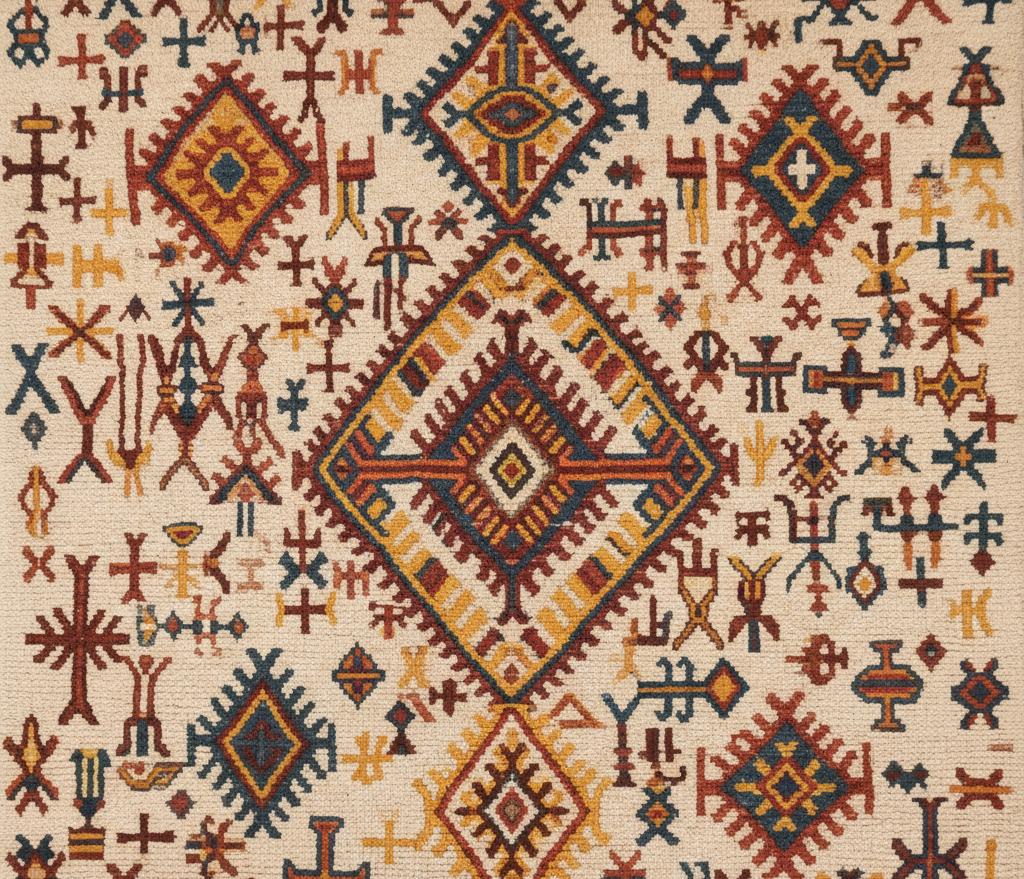
Moroccan Berber Rugs are more than beautiful home decorations. They represent generations of Amazigh craftsmanship, traditional weaving techniques, and Moroccan culture. Handmade by skilled artisans, each rug has its own colors, patterns, and character.
Whether you want to buy an authentic rug during your trip or simply learn about Moroccan craftsmanship, these rugs offer a fascinating look into the country’s artistic heritage.

What Are Moroccan Berber Rugs?
Moroccan Berber Rugs are handmade carpets traditionally woven by Amazigh women in different regions of Morocco. Artisans create each piece on a traditional loom and often use natural wool.
Because the weaver creates the design by hand, every rug looks slightly different. As a result, small variations in shape, color, and pattern are part of the rug’s authenticity.
Today, Moroccan rugs are popular around the world because they combine traditional craftsmanship with modern interior design.

Who Makes Moroccan Berber Rugs?
Amazigh women have traditionally passed weaving skills from one generation to another. Mothers often teach their daughters how to prepare wool, create patterns, and operate traditional looms.
The process requires patience and skill. First, artisans prepare the wool. Next, they spin and sometimes dye the fibers. Finally, they weave the material knot by knot until the rug reaches its desired size.
Therefore, buying a handmade rug also helps support traditional craftsmanship and local artisan communitie
Popular Types of Moroccan Berber Rugs
Morocco has many rug-making traditions. Each region has developed distinctive styles, colors, and patterns.
Beni Ourain Rugs
Beni Ourain rugs are famous for their soft wool and simple geometric patterns. They often feature black or dark lines against a light background, making them particularly popular in minimalist interiors.
Azilal Rugs
Azilal rugs come from the High Atlas region. They usually feature colorful patterns, bold shapes, and creative designs. As a result, they can add personality and color to a room.
Boujad Rugs
Boujad rugs are known for their warm colors, including red, orange, pink, and purple. Their expressive patterns give each piece a distinctive vintage appearance.
Mrirt Rugs
Mrirt rugs are known for their dense wool and soft texture. Artisans from the Middle Atlas region produce many of these high-quality rugs, making them an excellent choice for people looking for comfort and durability.
What Do the Patterns on Berber Rugs Mean?
Many traditional rug designs contain geometric shapes and symbols. Historically, artisans used these patterns to express ideas, experiences, and aspects of everyday life.
For example, diamonds, triangles, zigzags, and other shapes can appear throughout a rug. However, meanings can vary between regions, tribes, and individual weavers.
Therefore, it is better to view each rug as a personal work of art rather than assuming that every symbol has one fixed meaning.
What Materials Are Used?
Traditional Moroccan Berber Rugs mainly use sheep’s wool. Wool provides warmth, softness, and durability, which makes it ideal for handmade carpets.
Some artisans also use cotton or other natural fibers. Furthermore, traditional rugs may use natural dyes made from plants, minerals, or other local materials.
Because artisans work with natural materials, the final colors and textures can vary slightly from one rug to another.
How Long Does It Take to Make a Moroccan Berber Rug?
Making a handmade rug takes time. The artisan must prepare the wool before beginning the weaving process. Then, she works knot by knot on a traditional loom.
The time required depends on the rug’s size, design, and weaving technique. A small rug may take several weeks, while a large and detailed piece can require several months.
This careful process explains why authentic handmade rugs can cost more than factory-made alternatives.
How to Recognize an Authentic Moroccan Berber Rug
Before buying a rug, look closely at its construction. Authentic handmade Moroccan rugs often show small variations because an artisan creates them by hand.
Look for:
- Handmade or hand-knotted construction
- Natural wool
- Slight variations in the pattern
- Visible weaving or knots on the back
- A soft and durable texture
- Unique colors and designs
Most importantly, ask the seller about the rug’s origin, materials, and production method.
Where Can You Buy Moroccan Berber Rugs in Morocco?
You can find Moroccan Berber Rugs in traditional markets, artisan cooperatives, and family-run workshops across Morocco.
Marrakech has many rug shops in and around its historic medina. Fes also offers traditional handicrafts, while villages and cooperatives in the Atlas Mountains provide opportunities to buy directly from artisans.
If you are planning a trip to Morocco, you can combine rug shopping with cultural experiences and visits to traditional markets. Explore our Morocco tours to discover different regions and local crafts.
You can also learn more about Marrakech travel experiences before planning your visit.
Why Buy a Moroccan Berber Rug?
A Moroccan Berber Rug can bring warmth, texture, and personality to your home. More importantly, a handmade piece connects you with the craftsmanship and traditions of Moroccan artisan communities.
Each rug has its own combination of colors, patterns, and imperfections. Therefore, you are not simply buying a carpet. You are bringing home a handmade piece of Moroccan heritage.
Final Thoughts
Moroccan Berber Rugs continue to preserve an important part of Morocco’s traditional craftsmanship. From minimalist Beni Ourain designs to colorful Azilal and Boujad rugs, each style offers something different.
If you visit Morocco, take time to explore local markets and artisan workshops. You may find a unique handmade rug that not only suits your home but also tells a story about Moroccan craftsmanship.